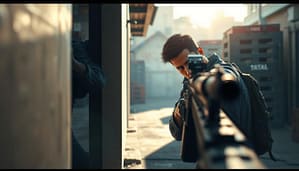
Ever wonder why top FPS players shoot at empty corners? They’re not wasting ammo. They’re playing chess while others play checkers. This strategy turns random shots into smart guesses.
Top players use their brains to guess where opponents will move. It’s like solving a mystery. They recognize patterns to predict what will happen next.
Using psychology and quick thinking is key. It’s like the gaming version of Chekhov’s gun. Set up a firing spot early, and someone will walk into it later.
This skill needs more than fast reflexes. It takes smart thinking to understand common angles and opponent moves. When done right, it’s a big strategic advantage that sets pros apart from casual players.
Improving Reaction Time
Ever wonder why some people react faster than a breaking news alert while others move like congressional bureaucracy? Your reaction speed isn’t just genetic lottery – it’s trainable biological hardware. Let’s hack your nervous system.
The average person’s reaction time sits around 250 milliseconds. Elite athletes? They operate at 150-175ms. That 100ms difference separates champions from participants. It’s the gap between catching the ball and watching it sail past.
Three key factors determine your reaction capabilities:
- Neural pathway efficiency – How quickly signals travel between brain and body
- Cognitive processing speed – How fast you interpret visual information
- Physical readiness – Whether you’re properly rested and focused
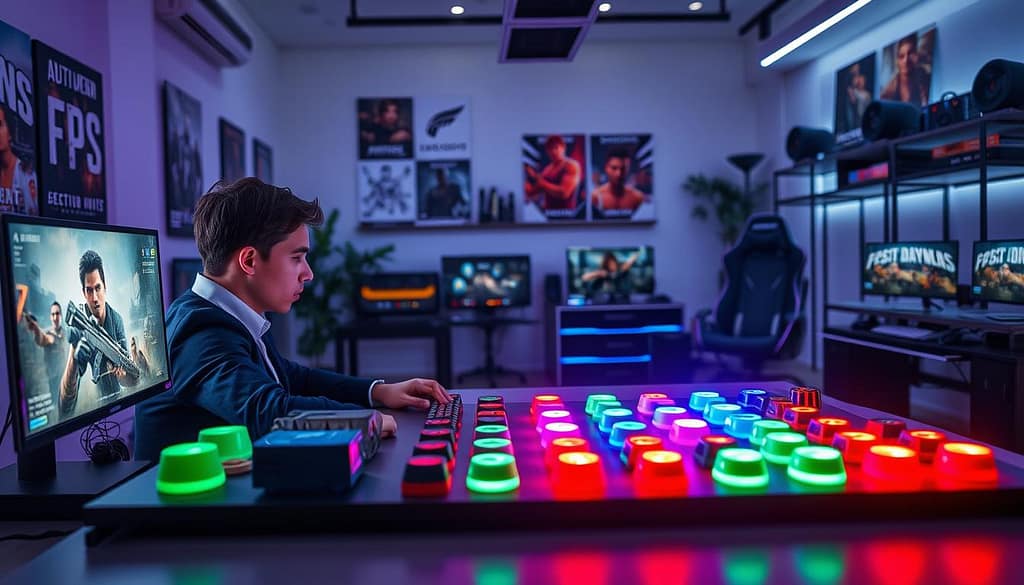
High-refresh-rate monitors (144Hz or higher) make visual information smoother than a political speechwriter’s prose. Higher frame rates give your brain more data to process, shaving precious milliseconds off your response time.
Sensitivity settings matter too. Finding your perfect DPI is like finding the right coffee strength – too weak and you’re sluggish, too strong and you’re jittery. It’s about control, not just speed.
Maintaining composure under pressure separates pros from amateurs. When stress hits, cortisol floods your system. This hormone literally slows neural communication. Deep breathing exercises can keep you calm and quick.
Physical activities target reaction improvement. Myelination – the process of insulating neural pathways – accelerates with targeted practice. It’s like upgrading from dial-up to fiber optic in your nervous system.
| Training Method | Benefit | Time to Improvement |
|---|---|---|
| Ball Drop Tests | Visual processing speed | 2-3 weeks |
| Reaction Ball Exercises | Unexpected stimulus response | 3-4 weeks |
| Cognitive Training Apps | Pattern recognition | 1-2 weeks |
| Sports Drills | Muscle memory development | 4-6 weeks |
Sleep might be the most overlooked performance enhancer. During deep sleep, your brain reinforces neural pathways. Skimp on sleep, and you’re basically defragging your brain without finishing the process.
For those serious about optimization, this comprehensive reaction time guide offers deeper scientific insights and advanced training techniques. Remember – reaction time isn’t just about moving fast. It’s about processing information efficiently and executing decisions precisely.
The best performers make it look effortless because their training makes it automatic. They’ve turned conscious effort into unconscious competence. That’s the real goal – making speed look slow.
Drills for Mastering Both Skills
Welcome to the gaming dojo where we turn theory into instinct. It’s not just about repeating actions. It’s about creating fast neural pathways, faster than Amazon’s logistics.
We mix physical drills with brain training. Your brain will process info quicker than a fact-checker in a debate. We aim to make complex actions feel automatic.
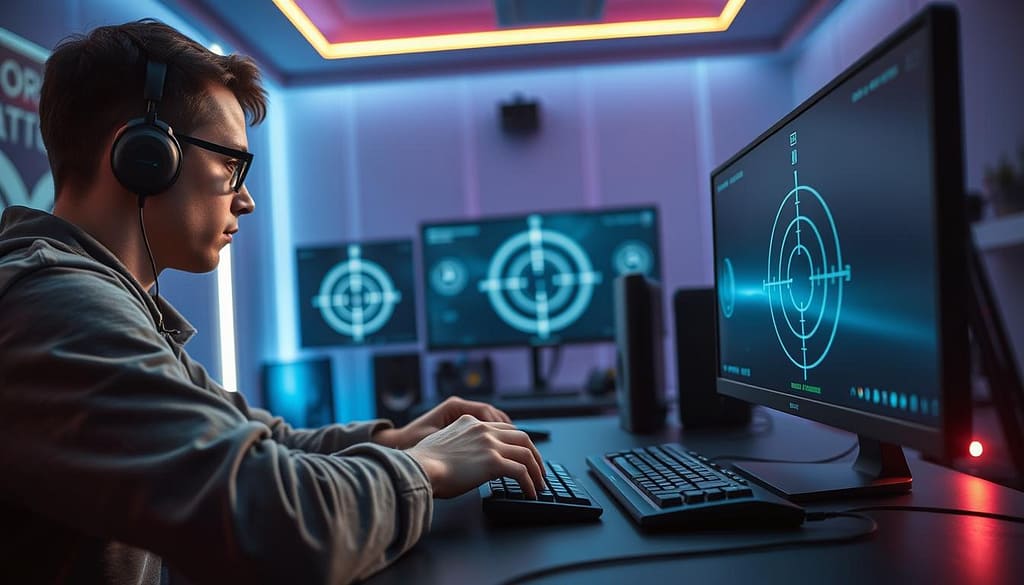
- Call of Duty: Bot matches focusing on centering and flick shots
- Counter-Strike 2: Recoil control patterns to make your spray poetic
- Valorant: Ability combos until they flow like French
- Rainbow Six Siege: Peek and lean drills for organic movement
- Apex Legends: Movement tech practice for smooth sliding
The physical part is key too. Try these drills:
- Ball drop tests for quick visual reaction
- Reaction ball exercises that defy physics
- Table tennis for hand-eye coordination
- Brain games for sharp decision-making
Here’s a training plan to build muscle memory step by step:
| Week | Focus Area | Daily Duration | Intensity Level |
|---|---|---|---|
| 1-2 | Basic mechanics | 30 minutes | Moderate |
| 3-4 | Combination drills | 45 minutes | High |
| 5-6 | Scenario training | 60 minutes | Competitive |
The key is consistent practice, not just intense sessions. Fifteen minutes a day is better than three hours of distracted play. Your brain builds muscle memory during breaks, not while playing.
Advanced scenarios test even pros. Try unpredictable bot patterns or play with distractions. The goal is to adapt, not to be comfortable.
Mastery is about doing without thinking. When your hands move before your brain, you know you’ve got it.
This is like cross-fit for gaming – building endurance, precision, and quick reactions. The neural pathways you create today will be the winning plays of tomorrow.
Integrating Tactics in Live Play
Going from practice to real action is where theory meets real life. Your opponents won’t follow your plan. They have their own moves.
Keeping calm when you’re scared is key. It turns fear into a strong attack. It’s like using your fear to your advantage.
Replay analysis is your best tool. Every missed shot teaches you something. The pros learn from their mistakes, not just quit.
Moving and aiming become a dance of destruction. In Overwatch 2, Genji knows when to fire before turning a corner. In Call of Duty, it’s about predictive positioning – guessing where enemies will go.
Here’s how to use these skills well:
- Study opponent patterns like a political analyst parsing polling data
- Adapt strategies mid-match with the flexibility of a jazz improviser
- Make split-second decisions that would impress emergency room surgeons
- Balance aggression with tactical patience
These skills help you in real life too. The improvements in reaction time help you notice things in everyday life. You’ll see patterns in traffic and conversations.
Being consistent makes you better. It’s not about winning every time. It’s about training your body to act without thinking.
Mastering pre-firing is more than just winning games. It builds mental strength for life. The chaos is your playground, and every opponent is a lesson.
Esports Pro Demonstrations
Ever watch an esports pro like s1mple or TenZ and wonder if they’ve hacked reality? Their quick reactions aren’t magic—it’s hard work. They aim for a 150-175ms reaction time, achieved through endless practice.
These players train like athletes. They use table tennis to improve hand-eye coordination and brain skills. It’s not just about playing more. It’s about playing smarter with drills that focus on specific skills.
They choose their gear carefully. From Zowie mice to Artisan mousepads, each piece is picked for top performance. Their sensitivity settings are not random. They’re the result of thousands of hours of testing.
Under pressure, pros stay calm. They use breathing and mental tricks to stay focused. They’ve turned quick reactions into a skill anyone can learn, showing that talent is not everything.
Watch their gameplay and you’ll see how to get better. Their skills are not just for fun. They’re a lesson in how to optimize your mind for top performance.