First-person shooters are all about blaming lag, hackers, or “broken hitboxes” for missing shots. But, the real problem is often our own mechanics.
Your aim is like a political compass in gaming. Without the right calibration, you’re just guessing. Aim training is your wake-up call, showing you the secret to every headshot.
The right gear is key. High polling rates and Motion Sync technology help your shots hit their mark. It’s not just about the hardware; it’s about making every shot count.
Personalized coaching helps you find and fix your weaknesses. Regular practice builds muscle memory, turning random shots into precise ones.
Are you ready to stop blaming the game and start mastering it? The first step is to recognize your aim needs work and take action.
Aim Training Tools and Drills
Let’s talk about turning spray-and-pray into surgical precision. Aim training isn’t about mindless repetition. It’s about building neural pathways with the precision of a Supreme Court justice.
Aimlabs operates like the most sophisticated political operation you’ve never heard of. With over 40 million players and 50,000+ training tasks, they’ve created the Brookings Institution of aim improvement. Their AI-powered coaching analyzes your performance with the scrutiny of a fact-checker.
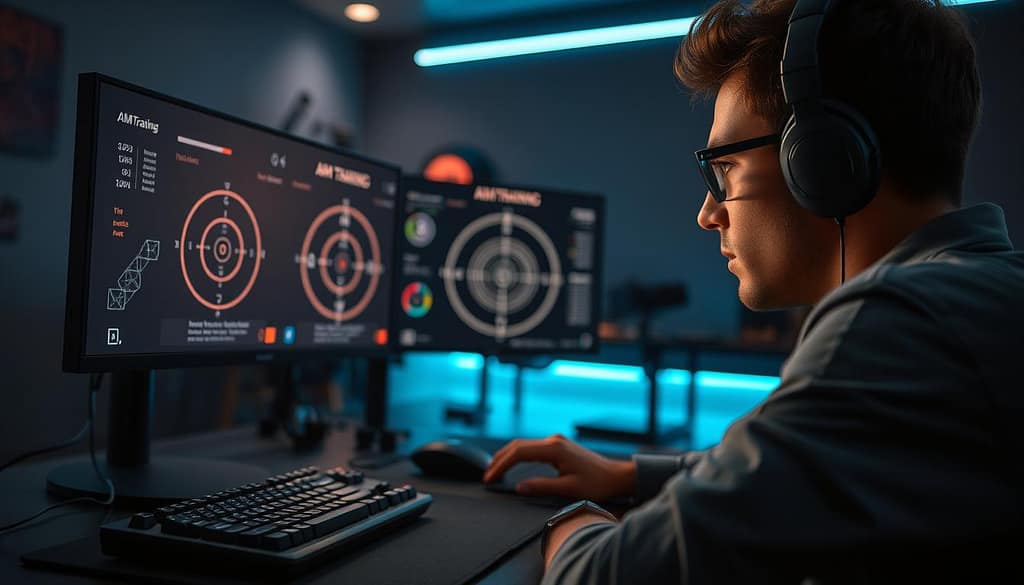
What makes their platform revolutionary? Three key elements transform casual players into precision marksmen:
- Adaptive difficulty that scales like a well-designed tax bracket
- Game-specific training that’s more targeted than a Super PAC ad buy
- Real-time feedback that’s more honest than a primary debate moderator
I’ve spent more hours in their Valorant Training Center than most politicians spend fundraising. When their AI identifies your tracking weakness, it delivers the truth with brutal honesty. The adaptive tasks? They’re like focus groups that actually listen and adjust based on your responses.
Here’s how top performers structure their training sessions:
| Drill Type | Time Investment | Accuracy Improvement | Recommended Frequency |
|---|---|---|---|
| Tracking Exercises | 15 minutes daily | 23% average gain | 6 sessions weekly |
| Flick Shot Practice | 20 minutes daily | 31% average gain | 5 sessions weekly |
| Target Switching | 25 minutes daily | 28% average gain | 4 sessions weekly |
| Game-Specific Scenarios | 30 minutes daily | 35% average gain | 3 sessions weekly |
The secret sauce? Consistency matters more than duration. Fifteen minutes of focused training beats two hours of distracted play. It’s like showing up to vote in every election, not just presidential years.
For those serious about competitive advantage, the data doesn’t lie. Players who maintain structured practice routines show 40% faster improvement than those who train sporadically. It’s the difference between running a organized campaign and hoping for a miracle write-in victory.
Remember: Great aim isn’t born – it’s built through intelligent repetition and data-driven refinement. The targets don’t care about your natural talent, only your commitment to improvement.
Mouse DPI and Sensitivity Settings
Think of your mouse DPI like political polling data. It’s talked about a lot, but few get how it affects results. The difference between 400 and 800 DPI is huge, like the difference between big change and small steps.
Most players pick their mouse sensitivity and stick to it. But, your DPI settings should change with each game’s needs.
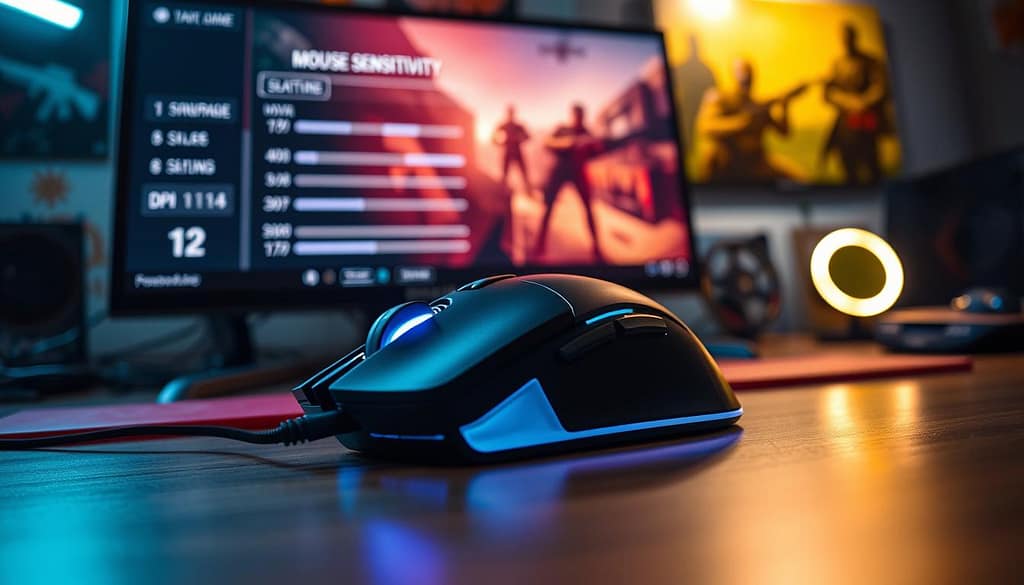
- Counter-Strike is all about precision, like the Electoral College. DPI of 400-800 gives you control in every corner.
- Overwatch is more about tracking fast targets, like a national popular vote. DPI of 800-1200 is best for this.
- Battle Royale games need a mix of aiming and quick awareness, like swing states.
The Model I 2 Wireless gets this better than most politicians. Its DPI Lock feature is like an emergency brake. It switches between detailed aiming and quick movements, based on the game’s demands.
Finding the right mouse sensitivity isn’t about picking one thing and sticking to it. It’s about adapting to each game’s needs. Pros change their DPI settings to fit the game’s demands.
Want to get better at gaming? Check out our guide on adjusting mouse settings. It shows you the best DPI settings for different games.
Your mouse is more than a tool; it’s your base for winning online. Treat your mouse sensitivity settings like a political strategist does polling data. Your performance will improve a lot.
Routine Practice Plans
Think your aim training routine is working? Let me ask you this: when was the last time a political campaign won without a ground game? Exactly. Random practice is like showing up to debate prep without talking points – all energy, no results.
I’ve crafted more training regimens than a campaign manager has stump speeches. Here’s the uncomfortable truth: consistency always beats intensity. Showing up daily for 20 minutes beats marathon sessions that leave you burned out.
The data doesn’t lie. Aimlabs members improve 49% faster with structured programs. That’s not margin of error territory – that’s landslide victory numbers. Their Sensitivity Finder 2.0 is your Nate Silver, crunching numbers so you don’t guess which settings will win you electoral votes.
Your daily routine should mirror White House briefings:
- 5-minute warm-up – Don’t jump into ranked cold
- 15-minute focused drills – Target specific weaknesses
- 5-minute cool-down – Reinforce muscle memory
Would you enter the Situation Room unprepared? Then why queue for competitive without proper aim training? Build your personalized regimen like building a coalition – piece by piece, vote by vote.
The best practice plans aren’t revolutionary. They’re just consistently executed. Your mouse becomes an extension of your will, your crosshair landing with the precision of a perfectly timed soundbite.
Troubleshooting Common Aim Issues
When your aim falters, it’s not a crisis—it’s a fixable problem. I’ve dealt with many aiming issues, more than a White House press secretary dodges questions. The answers are often right in front of us.
Button remapping turns your mouse into a powerful tool. Use those extra buttons wisely, like reorganizing a cabinet. The right setup can greatly improve your accuracy without needing superhuman skills.
Motion Sync technology is like your fact-checking team. It makes sure your hand movements match exactly on screen. This tech removes the uncertainty from mouse sensitivity tweaks.
Maybe the problem isn’t more training—it’s your hardware. A lightweight, ergonomic design is key. It makes a big difference in how you move, like a seasoned politician versus a rookie.
Your mouse’s weight affects how easy it is to move. Heavy mice slow you down. Lighter mice help you move quickly and make precise changes.
First, figure out what’s going wrong with your aim. Are you flicking too much or not enough? Sometimes, just changing how you hold your mouse or sit can help a lot.