For years, I thought in-game sound was just background music. It was nice to listen to while I played.
But then, I got flanked by an enemy. Their footsteps were as quiet as a ninja.
This made me realize something important. In competitive gaming, your ears are your first defense.
This isn’t about just turning up the volume. It’s about using sound to your advantage.
There are tools like Audio Radar that make sounds into lights. This makes the game more visual and helps you focus.
Then there are solutions like Turtle Beach’s Superhuman Hearing®. It’s like an audio microscope. It makes small sounds louder, helping you hear what’s hidden.
So, setting up your sound isn’t just about what you like. It’s a strategic move.
It’s the difference between just listening to the game and really hearing it.
Learning Footstep Patterns
Mastering footsteps isn’t about having superhuman ears. It’s about training your brain to decode sound in a chaotic world. It’s like learning to read, not just listen. Every step, from a quiet creep to a loud sprint, leaves a unique sound mark.
Technologies like Superhuman Hearing® work by highlighting specific sounds. They don’t create new ones. Instead, they make certain sounds stand out more. A step on metal sounds louder than one on dirt.
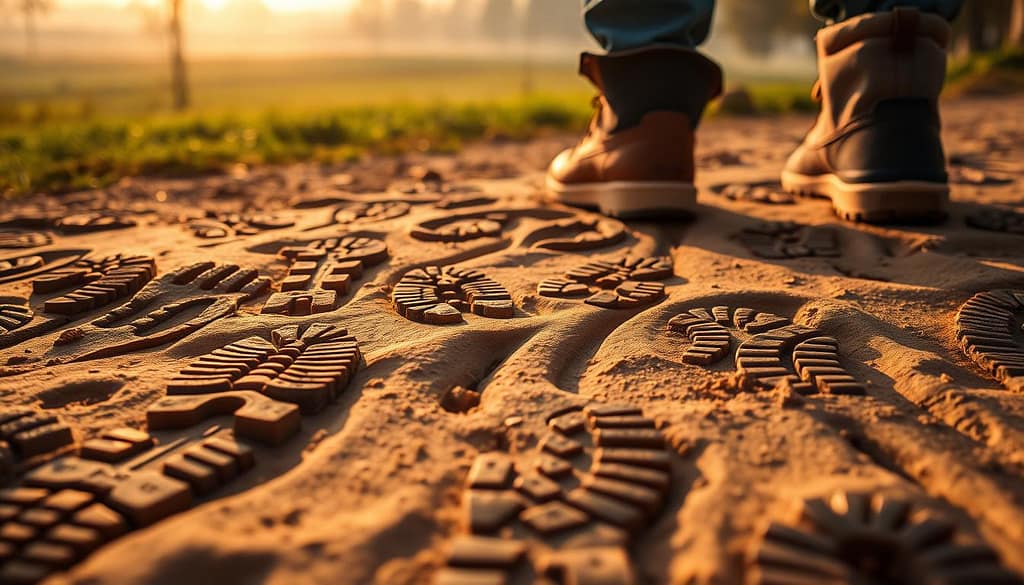
Your brain is like an audio plugin that recognizes patterns. You start by learning the sounds of different surfaces. Heavy armor on concrete sounds sharp, while light footwear on grass sounds soft.
Knowing these sounds helps you predict what’s coming. A quick, shuffling sound on wood might mean an attack is coming. Two sounds behind a wall? You know you’re not alone. This skill turns fear into a useful map.
To learn, start by listening to different surfaces. Here’s what to look for:
| Surface Type | Characteristic Sound | Tactical Implication |
|---|---|---|
| Metal | High-pitched ring, long resonance, loudest of all surfaces. | Gives away position from farthest distance. Perfect for luring or detecting aggressive pushes. |
| Wood | Hollow, creaking snap. Distinctive and carries well. | Reveals movement on specific floors or catwalks. The sound of a flank in progress. |
| Concrete/Stone | Sharp, solid *clack* with a quick decay. | The standard urban sound. Speed and cadence here are the best indicators of player intent. |
| Grass/Dirt | Muffled, layered rustle or soft thud. | Allows for quieter movement. Listen for changes in rhythm—a sprint in grass is a dead giveaway. |
| Carpet/Interior | Very muted, low-frequency *thump*. | Best for stealth. Its near-absence can be a clue itself, signaling a player holding a position silently. |
This table is your cheat sheet, but real skill comes from practice. A player’s decision to act is often signaled by a change in their step. To improve your audio setup is to enhance your strategic thinking. Remember, footsteps are just one part of the audio story. For more on other audio cues, the learning never stops.
Using Audio for Positioning
Positional sound isn’t just about hearing where an enemy is; it’s about painting their exact location on your mental canvas. If learning footsteps is memorizing vocabulary, then this is writing the novel of the match in real-time. You move from recognizing a noise to seeing with your ears.
True spatial audio acts as an acoustic GPS for your brain. It’s the tech that transforms a generic “left” ping into the specific knowledge that an opponent is crouched behind the third crate on the balcony. This isn’t gimmicky surround sound. It’s a calculated mix that makes headphones feel like speakers placed around a room, creating a full 360-degree sphere of sound.
This level of detail creates what pros call three-dimensional audio awareness. You don’t just detect enemies from multiple directions. You gauge their distance based on audio clarity and decay. Is that reload happening in the next room or two corridors over? The directional precision tells you everything.
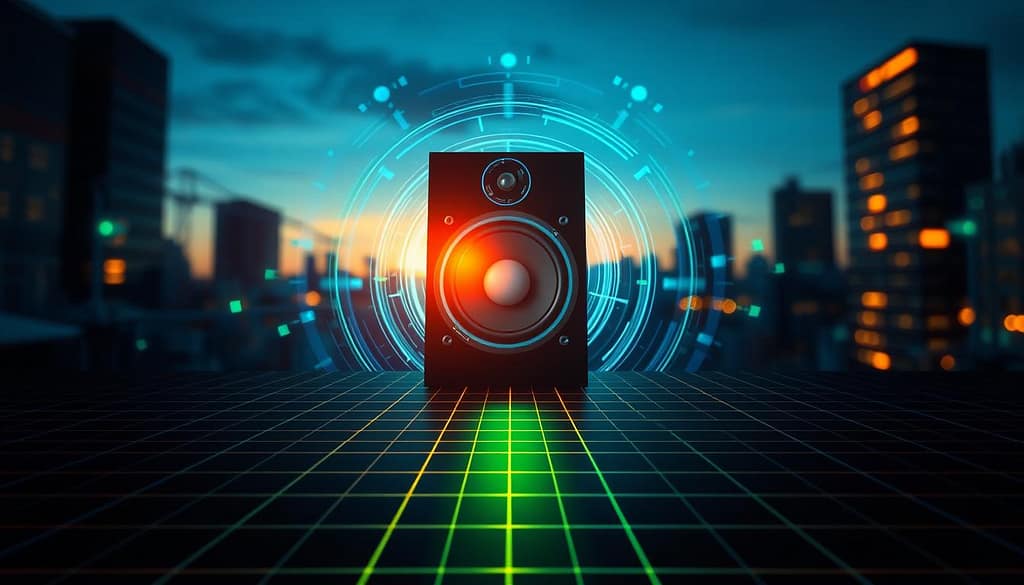
When it clicks, the effect is less like gaming and more like a sonar implant. You track gunfights through concrete. The subtle schick of a knife drawn behind you has a precise origin point. This awareness flips the script from reactive to proactive play. You visualize the entire battlefield through sound, cutting off rotations before the enemy even plans them.
Not all audio tech is created equal, though. The hardware and software processing behind the soundstage matter a lot for effective positional sound.
| Audio Technology | How It Creates Direction | Positional Clarity | Best For |
|---|---|---|---|
| Standard Stereo | Basic left/right channel separation. | Low. You get “left” or “right,” but no front/back or vertical cues. | Casual play; music listening. |
| Virtual Surround (HRTF) | Uses Head-Related Transfer Function filters to simulate direction. | Medium. Good horizontal awareness, but can feel artificial or “inside the head.” | Competitive gamers on a budget; many gaming headsets. |
| True Spatial Audio (Object-based) | Treats each sound as an object in 3D space, processed in real-time. | High. Precise horizontal, vertical, and distance cues. Feels externalized. | Serious competitive play; requires supported games and hardware. |
The jump from virtual surround to true object-based audio is like trading a compass for a satellite map. The latter provides the data needed for those clutch, pre-emptive decisions. Is this just hype? Research on spatial hearing confirms our brains are exceptionally good at locating sound sources when given proper directional data. Game audio engineers are basically hacking this biological capability.
Mastering this turns chaos into order. The battlefield isn’t a series of surprises. It’s a predictable landscape narrated by sound. You stop playing checkers and start playing chess, always three steps ahead because you heard the opponent’s pieces move. That’s the ultimate power of positional sound.
Countering Audio Clues
Mastering sound is one thing. But using its absence is the real goal. Countering audio cues is a battle fought with technology and strategy.
Tools like Audio Radar turn silence into a visual guide. This makes the silent area a clear target. It shows that the real game is just a download away. A study found players with advanced audio tech had a much better Kill/Death Ratio.
Behavioral tactics are also key. This means controlling your character’s sounds. Avoid loud cosmetics and open reloads to avoid being spotted by snipers. You must outsmart the enemy and their audio advantage.
Modern games make the challenge even higher. Games like Clair Obscur: Expedition 33 create rich soundscapes. Each creature has its own sound. Learning to disrupt this is a skill in itself.
Team strategy also depends on clear communication. Riot’s research shows that effective teams use clear callouts. Messing with their audio cues can throw off their whole plan.
The quietest player now has the biggest advantage. It’s a game of sound and silence, where just hearing the game is the first step. The real goal is to make sure the enemy hears nothing.