We’re in a time where missing the point is common. Photographers zoom in too much, checking tiny details. At the same time, big moments pass them by.
Gamers also get caught up, constantly peeking around corners. It’s like they can’t sit during family meals.
We all tend to focus too much on small things. This skill is important in many areas, from gaming to photography. Whether you’re using a Leica IIIf or an AWP in Valorant, timing is key.
Henri Cartier-Bresson’s idea from 1952 is more relevant today. It’s about catching the perfect moment, whether it’s for a photo or a win. Knowing your craft is important, but it’s the quick moments that truly matter.
The art of peeking is not about seeing everything. It’s about seeing exactly what’s important at precisely the right time.
Learning from Pros
Watching pros do perfect peeks is like seeing a chess grandmaster at work. Every move seems simple but holds deep strategy. They read corners like ancient texts, knowing every angle before acting.
In CS2, top players mix geometry with combat. They plan out trajectories and enemy positions, aiming with precision. Their aim isn’t just good; it’s mathematically perfect, saving seconds that make all the difference.
Photography masters also follow these rules. Cartier-Bresson’s “decisive moment” theory was about understanding angles to tell a story. That famous photo of a businessman jumping over a puddle? It’s all about the perfect perspective.
Both fields teach the same thing: seeing the world in a new way. Pros turn obstacles into chances. They know the right peeking technique can change everything.
The key lesson? Don’t just copy moves; understand the view. Great peeking, whether in games or photos, comes from seeing how angles shape our world.
Right/Left Side Disadvantage
The camera lens and the virtual rifle face a common issue – ‘side disadvantage’. In tactical gaming, this isn’t just a myth. It’s the real effect of geometry working against you.
Peeking from your right side in CS2 means you show less of your hitbox to enemies. It’s like peeking out from behind cover, but only your shooting arm is visible. Peek from the left, and you expose your whole torso. The difference is huge – it can mean the difference between winning and losing.

This principle also applies to photography. A wedding photographer with top-notch gear on the “wrong” side of a moment is making a big mistake. They might get perfect shots, but miss the real, emotional moments.
Mastering corner timing is about knowing when and where to move. In gaming, it’s about the right timing for wide swings or jiggly peeks. In photography, it’s about guessing where the action will be and getting there first.
The results of bad positioning are the same in both worlds:
- Getting eliminated before you can react
- Missing key moments
- Wasting the benefits of expensive gear
- Causing frustration instead of success
Professional players use special peeking strategies to overcome these disadvantages. They don’t fight the geometry; they use it to their advantage.
Getting better at corner timing means knowing that not all angles are the same. Whether you’re behind a camera or a digital avatar, the right spot at the right time makes all the difference. It’s what separates the greats from the rest.
Predictive Peeking Patterns
Ever wonder how some people seem to predict the future? They’re not psychic – they’ve just mastered the art of pattern recognition. Predictive peeking turns guesswork into calculated anticipation in many areas.
Think about professional gaming. That CS2 player who pre-fires a common camping spot isn’t cheating. They’re reading the game’s meta like Sherlock Holmes analyzing crime scene evidence. They’ve seen this movie before – and know exactly how it ends.
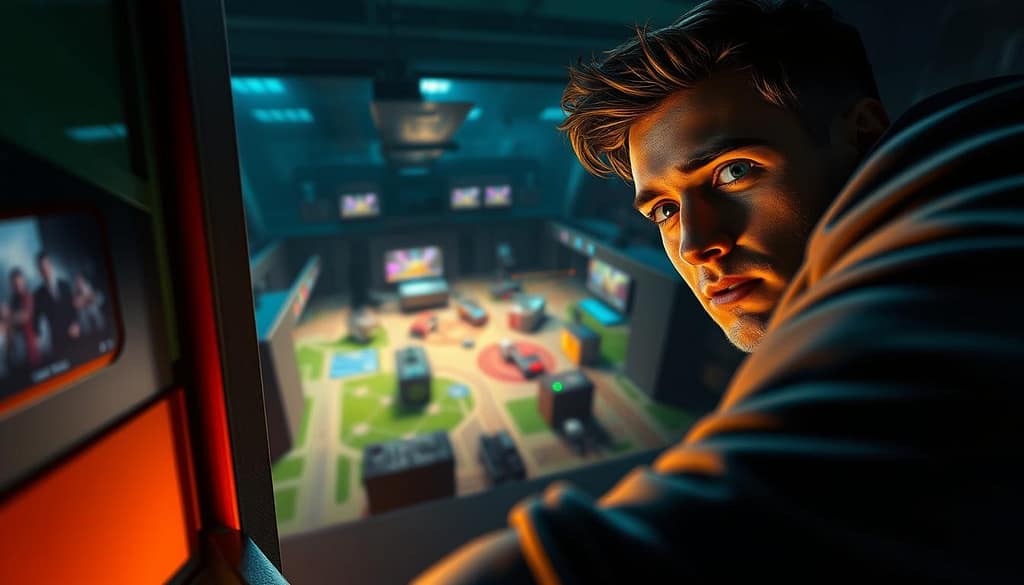
Landscape photography works on similar principles. The photographer capturing perfect fog lifting from a valley didn’t just get lucky. They’ve studied weather patterns like a meteorologist chasing tornadoes. They understand atmospheric conditions better than most people know their coffee order.
Even real estate photography at companies like VSH Media shows this predictive power. Their photographers don’t just show up and hope for good lighting. They harness golden hour and blue hour with military precision. They know how light will transform ordinary properties into visual masterpieces before they even unpack their gear.
What connects these fields? Three key elements:
- Obsessive pattern recognition – noticing what others miss
- Experience-based intuition – trusting your gut when it matters
- Situational awareness – reading the environment like a book
The magic happens when these elements combine. You stop reacting and start anticipating. You move from being a spectator to becoming the director of your own experience.
This isn’t about having supernatural abilities. It’s about paying attention to the patterns everyone else ignores. The best in any field don’t just see what’s happening – they see what’s about to happen.
They’ve turned peeking into an art form. They’re not looking at the present – they’re reading the tea leaves of possibility. And that makes all the difference between being good and being legendary.
Training Your Reactions
Timing is key, whether you’re behind a camera or a controller. That perfect moment when you swing an angle and catch your opponent mid-reload is like catching lightning. It’s a rare and special feeling.
Modern gaming teaches us to want things fast. But mastering peeking takes patience, like a film photographer with limited shots. You learn to cherish every peek, every angle, every chance.
Deathmatch servers are like your darkroom. Here, you develop “anticipatory awareness.” You’re not just reacting to what you see. You’re also predicting what will show up around key angles. This changes how you face every battle.
The best peeking techniques mix movement, prediction, and action. This guide to pro-level movement shows how to turn danger into opportunity.
Your training should be about reading angles, predicting movements, and perfect timing. The digital darkroom is waiting for you to develop your skills.