Ever feel like the enemy team knows exactly where you are? That’s not luck – it’s spawn mechanics. I’ve seen pro teams lose big because they ignored these spots.
Think of these spots as the game’s lifeblood. Control them, and you control the game’s flow. From League’s plans to Valorant’s doors, every big game focuses on these key areas.
We’re revealing the secrets of gaming’s most misunderstood system. You’ll learn how algorithms decide where you spawn (it’s not random) and why some spots are more powerful. That spawn system talk that confused everyone? We’re making it simple.
By the end, you’ll know how to use spawn points to your advantage. That teammate who always says they’re unlucky? They’ll be asking you for tips soon.
Controlling Enemy Spawns
If you think aim is everything in competitive shooters, you’re about to have your entire worldview shattered by the power of spawn manipulation. I’ve seen more teams fall from bad spawn management than from losing fights. This shows where your practice time should be.
Controlling enemy spawns turns you into a puppeteer. You’re not blocking spawns entirely (most games prevent that) but shaping the battlefield. It’s like conducting an orchestra toward chaos.

The concept is similar to how League’s objective planning scale sets the match tempo or how CS2’s advanced callout strategies show area dominance. It’s about creating “predictable chaos” – knowing where they’ll come out while they’re lost.
Here’s how top players use map flow to their advantage:
- Area denial positioning that funnels opponents into kill zones
- Timing-based maneuvers that anticipate spawn rotations
- Psychological pressure points that force predictable movements
- Spatial control tactics borrowed from Valorant’s mid-control principles
It’s like psychological warfare meets spatial math. Nothing tilts an opponent faster than spawning right into your aim. It’s like knowing your opponent’s next move in poker.
The real art is making enemies feel like they’re choosing their paths while you’re guiding them. This is why pros spend hours on spawn patterns and map flow dynamics. They know games are won through better positioning, not just shooting.
Effective spawn control uses predictive algorithms like nightclub bouncers manage crowd flow. You’re not stopping people from entering – you’re deciding who gets in where and when. The battlefield is your exclusive venue, and you’re the bouncer.
Master this, and opponents will walk into your bullets before they even know what’s happening. This is where strategy beats mechanics – when you make them play your game.
Using Map Flow to Trap Teams
Ever watched a pro team and wondered how they set up ambushes? It’s not luck. It’s about controlling the map flow. They’re not just reacting; they’re leading the enemy like a conductor.
Great map control turns narrow paths into death zones and open spaces into mental barriers. The best traps look like safe paths. It’s like guiding enemies into a trap with a clever design.
Valorant’s split push strategies are a perfect example. Teams give up one area to control another. It’s like a chess move where you sacrifice a piece to control the board. The enemy thinks they’re winning, but they’re walking into your trap.
CS2 takes it up a notch with secret paths and ambush spots. Pro teams don’t just defend; they set up crossfires everywhere. Enemies walk into a hail of bullets from all sides.
League of Legends shows how trading objectives can give you an edge. Teams might lose a fight to gain control elsewhere. It’s a strategic move that pays off later when the enemy is trapped.
The secret to these strategies isn’t just knowing where enemies are. It’s predicting where they’ll be next. You position yourself for the next fight, not just the current one. This forward thinking sets pros apart from casual players.
Mastering these skills means understanding enemy movements and timing. For more on timing, check out our guide on spawn prediction techniques.
Remember, the map is your biggest ally. Learn to control its flow, and every game becomes your hunting ground.
Breaking Out of Bad Cycles
Breaking spawn cycles is like solving a Rubik’s Cube while it’s shaken. It needs strategy and defiance. We’ve all felt like we’re stuck in a digital loop, respawning into the same challenges. The trick? Sometimes, you must lose control to take it back.
Strategic sacrifices are key to breaking bad cycles. It’s like a tactical retreat in chess. In League of Legends, teams might give up a dragon to get Baron. It’s not giving up; it’s a smart move to change the game.
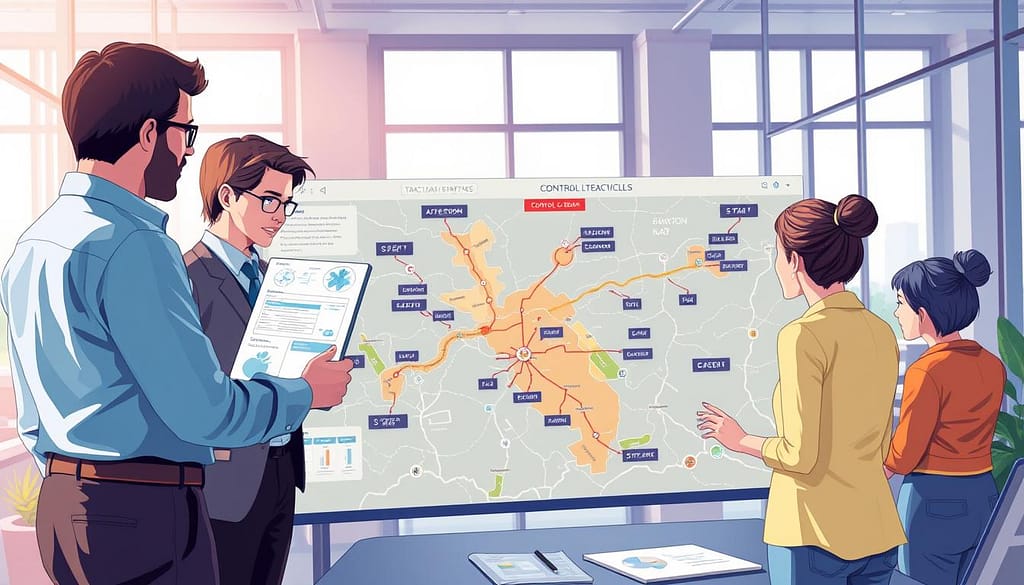
Unexpected moves can reset the game like “map acupuncture.” CS2 pros use sudden changes to force enemies to rethink. It’s not fleeing; it’s picking the next battle spot.
Controlled aggression makes a player great. Valorant’s retake strategies show this. Teams use door control to shift the game’s momentum. Timing is more important than strength.
Here’s how different games break cycles:
| Game | Primary Strategy | Key Mechanic | Result |
|---|---|---|---|
| League of Legends | Objective Trading | Map Pressure Exchange | Economic Reset |
| CS2 | Repositioning | Angle Creation | Spawn Algorithm Disruption |
| Valorant | Retake Execution | Door Control | Momentum Shift |
The most surprising fact? Giving up can lead to winning. Allowing the enemy to overextend lets you take back control. It’s like using their strength against them.
Map flow is more than just moving. It’s a form of psychological warfare. Breaking spawn cycles means you’re not just winning; you’re changing the game’s rules. The algorithm starts working for you.
Remember, bad cycles are meant to be broken. With strategy, unexpected moves, and controlled aggression, any situation can turn around. Your choices, not the spawn points, decide your fate.
Pro Team Analysis
Professional teams see spawn control as sacred, like a pro’s aim. FaZe Clan in CS2 turns small spawn edges into precise attacks. Their map flow skills open doors where none seem possible.
Sentinels in Valorant control doors and time their attacks perfectly. Their strategy is not just about reacting; it’s about planning ahead. They use their knowledge of the game to outmaneuver opponents.
T1’s League strategies show the power of planning with spawn control. They don’t just play; they change the game’s rules. Their teamwork turns small moments into big wins.
These teams show that knowing spawn algorithms is key, not just for pros. It’s what separates playing from mastering the game. Why watch from the sidelines when you can shape victory?