Ever wonder why some players seem to glide through virtual battlefields while others resemble stationary targets? That’s the magic of proper navigation mechanics at work.
I’ve watched countless players treat their controls like optional accessories. This is far from the truth. The evolution from early gaming’s clunky navigation to today’s fluid systems is huge. It’s like going from crawling to performing ballet.
Remember Neo’s awakening in The Matrix? That moment of realization mirrors what happens when you master digital navigation. Suddenly, maps transform from obstacles into opportunities. You’re not just playing – you’re composing a symphony of strategic positioning.
This isn’t just about getting from point A to point B. It’s the dance of digital survival that separates cannon fodder from clutch players. The difference between frustration and dominance often comes down to this fundamental skill.
Key Techniques: Strafing, Jump-Peeking, Crouch-Spamming
Learning to move in tactical shooters is like learning to walk again. But this time, you’re trying to avoid bullets while keeping your aim sharp. The difference between a moving target and a stationary one is not just speed. It’s the art of controlling chaos.
Strafing is the basic dance of tactical shooters. It’s not just pressing A and D randomly. It’s about rhythm and precision. Good strafing makes you look like you’re in The Matrix. Bad strafing makes you look like you’re dodging raindrops while drunk.
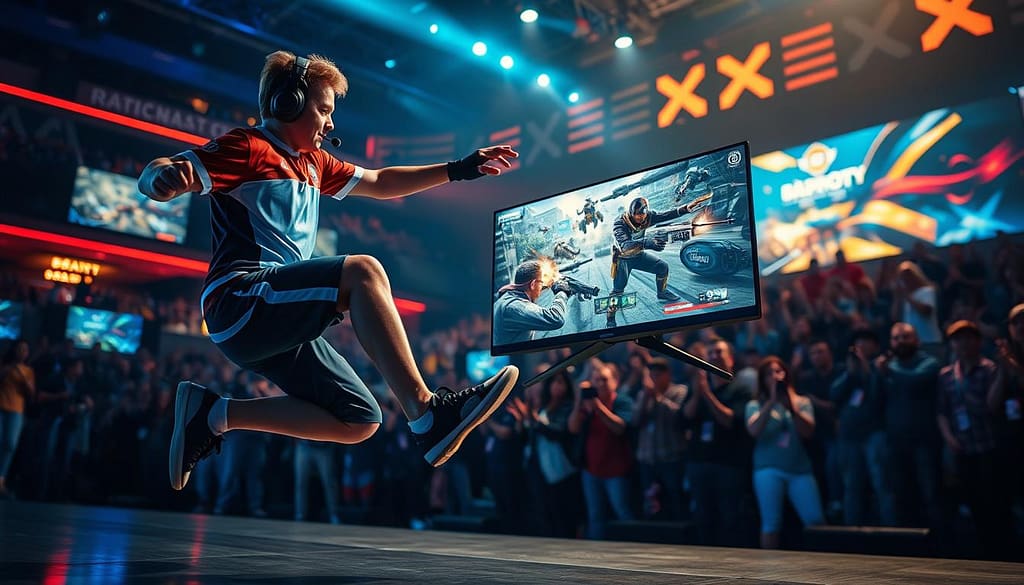
Combining strafing with counter-strafing is magic. This technique lets you stop instantly while keeping your aim sharp. It’s like hitting the brakes without skidding. You move, tap the opposite key, and fire with precision. This is what separates pros from casual players.
Jump-peeking is like sticking your head out of a trench. You jump around corners to gather intel without committing to a full engagement. It’s like playing peek-a-boo with sniper rifles. The key is timing and unpredictability. Do it wrong, and you become a clay pigeon. Do it right, and you gain valuable information while keeping your head attached.
Advanced players use these techniques in games like Counter-Strike 2 to gain competitive advantages. The best part? These skills transfer across most tactical shooters.
Crouch-spamming is a technique that makes you look like you’re doing squats mid-firefight. It works because it changes your hitbox rapidly, making you harder to track. Some call it cheap. I call it effective when used strategically. Just don’t overdo it – nothing says “easy target” like predictable movement patterns.
Here’s what separates good movement from great movement:
- Rhythm over randomness – predictable patterns get you killed
- Purpose over panic – every move should have tactical intent
- Control over chaos – wild movement hurts your accuracy more than it helps your survival
Remember: movement isn’t just about avoiding bullets. It’s about controlling engagements, gathering information, and maintaining offensive capability while being evasive. Master these techniques, and you’ll not only survive longer – you’ll dictate the terms of every firefight.
Movement-Weapon Accuracy
Ever tried hitting a bullseye while riding a mechanical bull? That’s what shooting while moving feels like in tactical shooters. The game developers made it so we can’t just aim well while moving.
This mix of movement and accuracy is called the “tactical tango.” It’s a balance between where you are and how well you aim. If you move too fast, your shots might hit the wall instead of your target.
Pro players use a trick called counter-strafing. It’s when you tap the opposite direction key for a split second, aiming perfectly. It’s like finding calm in the middle of chaos.
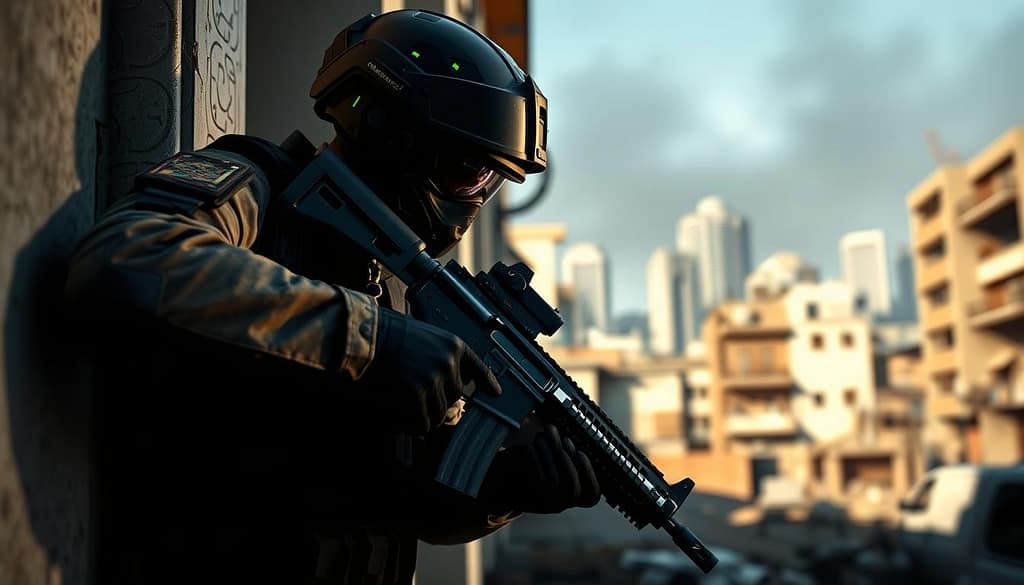
Each weapon acts differently when you move. SMGs can handle some running, but sniper rifles need you to be very steady. You need to know how each weapon works to use them well.
Peeking is key in these games. A quick peek lets you see what’s coming without getting into a fight. But a wide swing will tell everyone you’re there. Knowing when to peek and when to shoot is what makes you good.
| Weapon Type | Walking Accuracy | Running Accuracy | Recommended Engagement |
|---|---|---|---|
| Pistols | Moderate | Poor | Close-range strafing |
| SMGs | Good | Fair | Mobile flanking |
| Rifles | Excellent | Very Poor | Stationary or counter-strafing |
| Sniper Rifles | Perfect | Nonexistent | Complete stilness required |
| Shotguns | Good | Moderate | Close-range movement |
Getting good at this takes practice, like learning to drive stick shift. The best players make it look easy, switching between moving and aiming smoothly.
Remember, moving gets you into position, but aiming wins the fight. Knowing when to move and when to aim is what makes you great. It’s like knowing when to speak and when to listen.
Drills and Map-Specific Strategies
Perfecting movement is not just about doing the same thing over and over. It’s about focused practice that makes complex actions second nature. I’ve spent countless hours honing my slide cancel skills in empty servers. This has made me a better player, setting me apart from casual gamers.
Games like Titanfall 2 and Apex Legends show how important advanced movement is. Each map has its own way of moving around. Knowing when to jump and when to walk is key to success.
Adapting your movement to different maps is an art. What works in Apex Legends doesn’t work in Counter-Strike. This is where movement strategy makes all the difference.
Learning to slide cancel and other advanced moves takes time. It’s like practicing basketball free throws late at night. When done right, these moves can create surprise angles and keep the pressure on opponents.