Imagine your team as a chaotic orchestra of violence. Then, a solo act appears. A teammate becomes invisible as the horde attacks. Or an archer picks off enemies from the shadows, untouched.
In that moment, a quiet judgment forms. Is that player a tactical genius? Or are they just using a crutch, leaning on what some call “literal training wheels”? This is gaming’s oldest cold war.
On one side, the doctrine of glorious, noisy aggressive play. Victory is a medal earned in the fray. On the other, the stealth creed. They see brute force as inelegant, a failure to read the board.
Forums burn with this debate. Is stealth “completely busted,” a form of game-sanctioned cheating? Or is it a valid, skillful playstyle? This isn’t just about mechanics. It’s a referendum on virtual virtue.
Understanding this clash is your first real skill. You’re not just learning patrol routes. You’re deciphering the game’s hidden intentions. You’re reading the room, both digital and human.
Aggressive Pushes vs. Passive Ambushes
In digital warfare, two strategies clash. One is a fast attack, the other a slow build-up. This choice affects how teams work together and how much fun they have.
The Aggressive Push is like a tank storming through enemy lines. It controls the pace and forces battles. Think of a Zealot charging early or a tank trapping enemies for allies.
This style needs teamwork and is risky but rewarding. It’s not selfish; it helps the team by drawing fire and setting the pace.
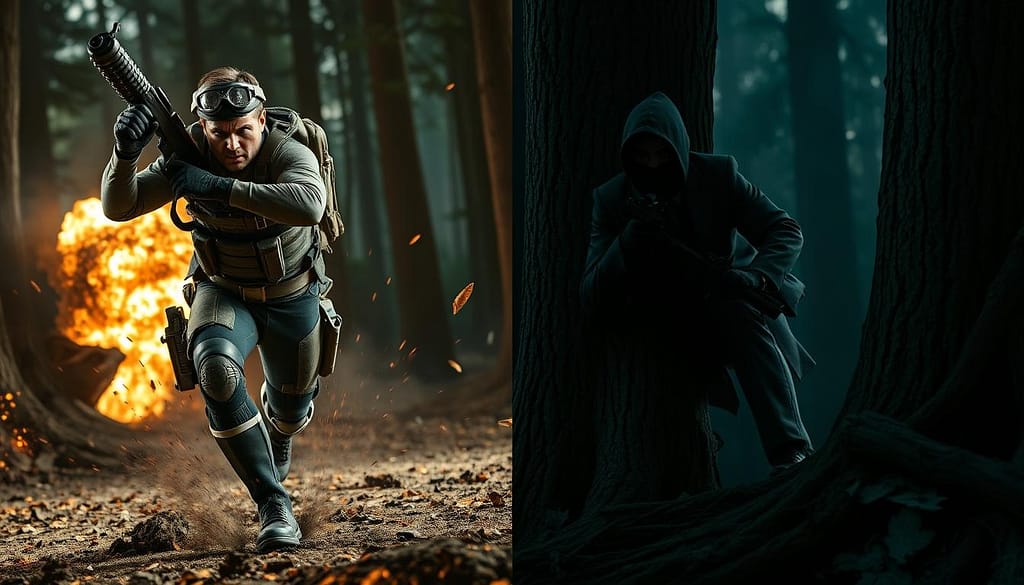
The Passive Ambush is about waiting for the perfect moment to strike. It’s like a sniper waiting for a clear shot. It’s a strategy of patience.
But, this strategy can be seen as a liability if not done right. Some players are seen as just waiting to revive others, not contributing much.
The issue isn’t the tools but the playstyle they encourage. It’s about playing alone, not with the team. This can lead to a team game feeling like a solo effort.
This creates a problem where the team faces sudden pressure. It turns a team game into a solo fight. The team feels like NPCs to the passive player.
Some players see certain abilities as “training wheels.” The goal is to use them to avoid challenges, not to master the game. The game becomes simple: stealth or play normally.
So, what’s the outcome? The Aggressive Push engages fully with the game. The Passive Ambush tries to avoid it. One style is in the thick of battle, the other waits.
The best teams balance both. They have a leader and a strategist. But without both, the team struggles.
Sound Discipline
The difference between a quiet player and a silent one is called sound discipline. It’s a key part of advanced stealth tactics. It’s not just about hiding in shadows. It’s about controlling the game’s information flow.
Every action costs something in sound. In Dead by Daylight, making noise can give away your position. Sounds like scratches, loud noises, and crows all share information with the killer. Your attempts at stealth are like spending money you don’t have.
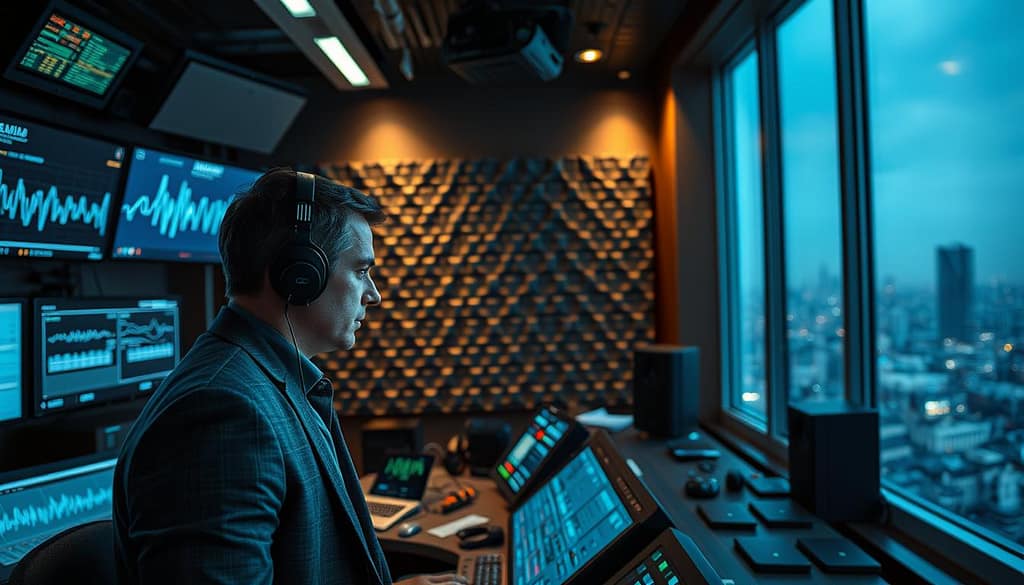
Poor sound discipline is not just ineffective; it’s tactically negligent. Think of the Darktide veteran who uses Shroudfield in a choke point. He might become invisible, but he also alerts the enemy AI. This puts his teammates in danger. He was quiet, but not silent.
True mastery means being predictive. It’s about knowing which enemies have good hearing or vision. Using a Plague Ogryn’s roar to hide your reload is a good example. Debates about adding “hearing circles” instead of vision cones show the importance of smart risk-taking in stealth.
This table shows how sound can be a liability or an asset:
| Player Type | Sound Philosophy | Team Impact | Information Footprint |
|---|---|---|---|
| The Novice | “Out of sight, out of mind.” | Unpredictable; often creates new problems. | Loud and frequent. Leaves evidence everywhere. |
| The Calculated | “Use sound as a tool.” | Generally neutral or slightly positive. | Managed. Uses environment to mask movements. |
| The Master | “Be the silence.” | Massively positive. Creates opportunities. | Minimal to none. Predictive movement leaves no trace. |
The Novice sees stealth as a visual trick. The Master knows it’s about being silent. This requires a mindset shift. You must listen as well as you look.
Do you use gunfire to hide your position? Does your “stealth kill” happen during a distant explosion? This predictive movement is key to elite stealth tactics. It turns you from a res bot into a clutch player.
Mastering this starts with the basics. For beginners, reviewing some core discipline tips can help. Your sound footprint is your real signature. Make it as silent as a ghost’s.
Changing Gears on the Fly
The mark of a true strategist isn’t sticking to one tempo. It’s about switching between them smoothly. This isn’t just a gaming trick. It’s a skill that requires engineering.
Think about the automated shifting in a high-end bike tested by DC. The rider sets a goal—heart rate, power output, cadence. The bike then picks the best gear for it. It has modes for hard efforts and for efficiency.
The magic happens when it switches gears without you noticing. It’s all thanks to a simple button press.
Your mind should work like this too. The best aggressive play isn’t always loud. Sometimes, it’s about being quiet and strategic. It’s about setting up a strong attack.
You need to read the situation. Is it time for maximum power, or should you save your energy?
The player stuck in one gear is not doing well. The wise player has all the options in their mind. They don’t pick a playstyle once. They choose it every second.
The key skill isn’t a button on your screen. It’s your ability to think fast and change plans. Your success comes from being adaptable and smooth.