Ever show up to a black-tie event wearing a perfectly tailored Hawaiian shirt? You’re technically following the rules while completely subverting expectations. That’s exactly what we’re talking about with tactical positioning.
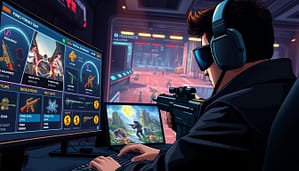
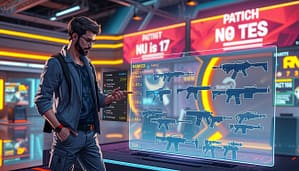
In competitive gaming, an off-angle is precisely what it sounds like: a position slightly offset from predictable spots. It’s where you catch opponents off-guard by being where they least expect you.
The beauty lies in temporary effectiveness. These positions work because competent players train themselves to clear obvious spots first. It’s like hiding in plain sight, but slightly to the left.
We’re talking about the art of leveraging psychological patterns against your opponents. As discussed in this detailed positioning guide, mastering these unconventional spots can create genuine cognitive dissonance for attackers.
They’ve memorized all standard peeking locations but haven’t accounted for your creative positioning. That moment of confusion? That’s your advantage.
When and Where to Use Them
Timing is key in comedy, turning off-angles into clever moves. It’s like arriving late to a party when everyone’s already having fun. You sneak in unnoticed.
The best time is when the enemy team is worried about time running out. They can’t check every spot carefully. This is when unconventional spots are most valuable.

Where you place yourself is just as important as when. The best spots control key areas and hide from many views. They make enemies rethink their strategy.
Take Omen’s camera teleport on Sunset. It’s a clever spot that few check. The sandbag boost on Overpass is another classic. It surprises attackers and makes them rethink their plan.
Knowing where enemies will look and won’t is key. It’s like knowing the Icebox angles that get ignored. But you use this knowledge on every map.
Using these spots late in the round, when the enemy is in a rush, is best. They won’t have time to check every angle. That’s when off-angles really pay off.
Pros and Cons
Let’s look at the risk and reward of off-angles like a Wall Street expert. The gains are huge, but the risks are high. They can make your risk manager nervous.

The upside is pure tactical cocaine – you become the unpredictable variable that shatters well-rehearsed executes. You force opponents to burn precious utility clearing angles they never knew existed. You create those glorious moments where enemies literally freeze mid-round because their mental map just got vaporized.
But oh, the downside. Off-angles often represent tactical all-in bets. They’re typically one-and-done scenarios where you either secure the kill or become immediate trade bait. Many unconventional spots leave you exposed to multiple angles if the enemy team coordinates properly.
Then there’s the psychological warfare aspect. If your clever spot gets discovered, you’ve not only donated a kill but potentially revealed a trick you can’t reuse. It’s the tactical equivalent of showing your full hand in poker during the first betting round.
The elevated positions that give you advantage also make you vulnerable. Once discovered, these spots expose both players involved in the setup. This high-risk approach requires the same strategic thinking as mastering angles in boxing – timing and positioning are everything.
Successful peeking angles demand perfect execution. The margin for error is thinner than a Wall Street bonus during a recession. Get it right, and you look like a tactical genius. Get it wrong, and you’re the reason your team’s economy is in shambles.
Pro Player Off-Angle Highlights
Ever watch pro players and wonder if they’re playing the same game? Their off-angle usage is not just different—it’s a new level. They’re changing how we see the game, not just playing it.
The Olofboost in 2014 CS:GO was more than a trick. It was a game-changer that made Valve rethink Overpass. Pro players don’t just find off-angles. They use them to change the game’s rules.
Today’s Valorant pros keep pushing the limits of spatial play. Omen players teleporting to cameras on Sunset is more than just cool. It’s a way to gather intel and control the game.
Jett players using Updraft for vertical off-angle dominance is like air control in a tactical game. It’s all about outsmarting the opponent.
Chamber players setting up teleport networks are the real game-changers. They create aggressive off-angles with quick escapes. It’s like watching a high-tech bank heist.
What makes pro players different from casual gamers? It’s their strategic intentionality. They use these angles to:
- Gather intel without committing
- Delay enemy pushes and waste their utility
- Control the game’s pace through space manipulation
The best highlights show off-angle usage as part of a bigger plan. It’s not just about sneaky kills. It’s about making the whole map a threat.
Next time you watch a pro match, look beyond the flashy kills. See how they use off-angle positions to break down strategies. The real battle is in the spaces where others think it’s safe.
Incorporating Into Your Team’s Playbook
Mastering unconventional spots turns individual talent into team success. The Read and React Offense system shows how to win with structured unpredictability. It uses layers of motion and spacing to create winning strategies.
Imagine your team’s playbook as a jazz band, not a symphony. Players need to improvise within a structure, finding spots that surprise defenders. The system has twenty layers, from basic to advanced, for creative freedom.
True team coordination means every player knows how they impact the court. When you try unconventional spots, your teammates must adjust. It’s not random; it’s strategic, keeping opponents on their toes.
The top teams use these tactics to seem like they have more players. They turn simple plays into complex, unpredictable sequences. Your playbook should mix traditional sets with the ability to find and use defensive weaknesses.