Think of your favorite battle royale landscape as a constantly changing canvas. It’s not just patches; it’s digital geopolitical shifts. I’ve seen fields change and deserts get updated, each time changing how we play. Competitive communities on platforms like Most Plays often track these terrain changes in real time, breaking down how even small environmental tweaks can ripple through the entire meta.
Brendan “Playerunknown” Greene’s vision was always evolving. From Erangel’s fields to Miramar’s dunes, each update was a new test. Adding a river wasn’t just for looks; it changed the map’s flow, like the Suez Canal did for trade.
This ongoing design is a conversation between the creator and players. A new building or a changed loot table is a message. Understanding this evolution is essential. Just as knowing spawn mechanics can control a match’s pace, knowing the map’s history helps predict its future.
These updates are like the game’s tectonic plates. By studying them, we understand the game’s strategic shifts. It’s a process as old as geography, like any timeline of world map changes. The smart player learns to adapt to these changes.
How Playstyles Shift
The terrain doesn’t just suggest a strategy; it enforces it with the subtlety of a sledgehammer. Each PUBG map is a sovereign nation with its own brutal laws of physics and psychology. You are not a citizen. You are a tourist, and if you don’t learn the local customs fast, you become a cautionary tale.
Consider the geography. Erangel’s mix of fields, forests, and urban sprawl creates a jack-of-all-trades meta. Miramar’s open desert, on the other hand, canonizes the patient marksman. Sightlines there are longer than a Tolstoy novel. Your prized Sanhok loadout—built for close-quarters jungle ambush—would get you publicly executed on those sun-bleached rocks. The shift isn’t optional.

This is the core genius—and cruelty—of battle royale design. The shrinking safe zone isn’t just collapsing geography. It’s napalming your comfort zone. It forces a frantic rotation, a desperate scramble from one biome’s rules to another’s. You go from a sniper’s paradise to a close-quarters meat grinder in the span of one blue pulse.
Landmarks are designed with this psychological warfare in mind. A simple interior isn’t lazy level design. It’s an acoustic trap. Predictable sound propagation means every footstep is a broadcast.
As competitive play becomes more advanced and more data-driven, protecting your system matters just as much as mastering rotations. With esports increasingly reliant on digital platforms, many players now prioritize reliable protection tools such as the best antivirus solutions to keep performance stable and accounts secure during intense sessions.
You don’t just loot a building; you audition for a role in your own demise. The evolution of game strategies over time is less about player innovation and more about decoding these environmental mandates. You can trace a clear evolution of game strategies directly back to the dirt and concrete of each arena.
Biome variety writes the script. Drop into Vikendi’s snow, and the rules change again. A new season that adds a blizzard isn’t about pretty visual effects. It’s a deliberate obfuscation. It’s a nerf to the visual-range gods and a monumental buff to the audio-predator who can track faint footprints. Your old meta—relying on eagle-eyed scans of the horizon—is suddenly, violently obsolete.
This is the relentless cycle. A new season or map drop is a regime change. The playstyle that ruled last month is dethroned. The patient camper, the aggressive rusher, the stealthy survivor—each finds their moment of supremacy dictated by the landscape. The game’s design doesn’t just allow for different strategies. It demands them. You either learn the new local customs, written in the trees, the snowfall, and the sightlines, or you join the ranks of tourist casualties. Adaptation isn’t a skill. It’s the only law that matters.
Early Adaptation Drills
After a patch, the game changes, and so do your strategies. Old paths and hiding spots are now risks. This is where strategy adaptation becomes essential.
I use a three-step method, inspired by military tactics. It’s about quick learning, not grand plans. It builds new skills in just a few minutes.
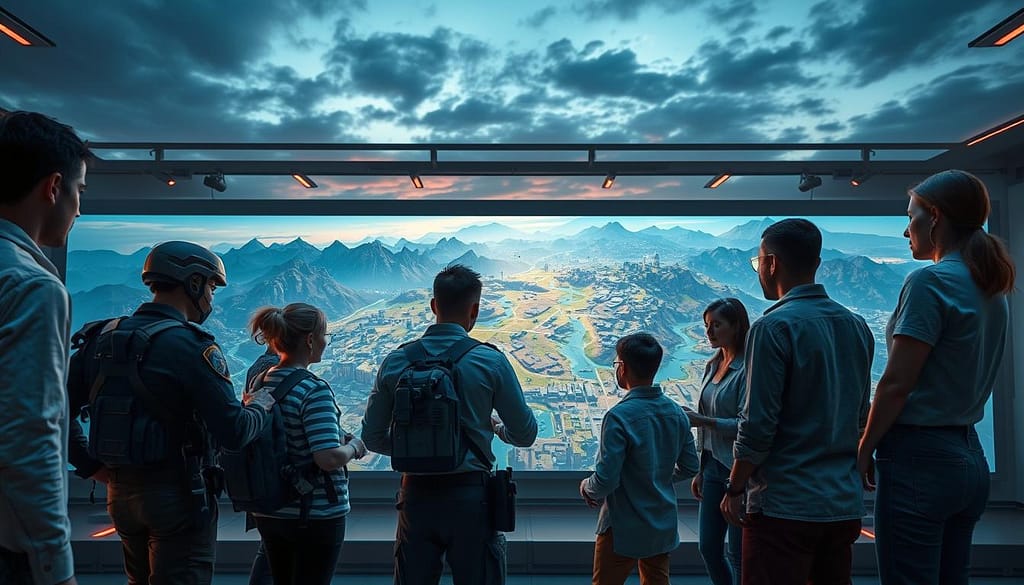
First, explore the new areas like a puzzle. Look for clues from the game designers. They guide the action.
Consider the layout of the map. Dense areas mean close combat, while tall structures offer vertical battles. Find natural cover and test your speed to reach it.
Erangel’s risk-reward balance is key. Choose between crowded Pochinki or isolated Military Base. Identify natural chokepoints and quiet exits.
- Acquisition: Re-map the Loot Geography
Forget what you knew. Loot is not random; it’s placed for strategy. Is this area for close combat or long-range battles?
Scan the ground for valuable items. Learn where to find important gear. Your goal is to loot, defend, and attack effectively.
- Positioning: Rotate Before You Land
Start adapting as soon as you parachute. Your first move is key. Use the map’s new features to your advantage.
Look for new vehicle spawns and ziplines. Vikendi’s snowstorm changes everything. Plan your early moves carefully.
Do you rush to the center or use the edges for cover? Your early choice sets the game’s pace.
This drill turns chaos into a plan. It makes the new map solvable. The goal is to adapt and dominate, not just win once.
Best Practices for the “New Meta”
Mastering the ‘New Meta’ is a paradox. By the time you’ve mastered it, it’s old. The real victory lies in your system for strategy adaptation. Think like a philosopher-king, not a foot soldier.
Your first move each season should be to devour the patch notes. That new weapon or map tweak isn’t random. It’s a developer’s nudge toward a new playstyle. Watch the pros in the first week. They are the canaries in the coal mine, testing the new terrain’s rhythm.
This mirrors a deeper truth about designing for change. Research into meta-evolution, like the work detailed here, shows the highest-performing systems are those built to adapt to unseen contexts. Your gameplay must be the same.
Hold your favorite drop spot, your trusted rotation, your “meta” loadout lightly. The map is a living document. Your brain must be the eraser. True mastery across new seasons isn’t knowing the best strategy. It’s knowing how to find the next one, fast.